Why Your Fireplace Smokes Into the Room (and How to Fix It)
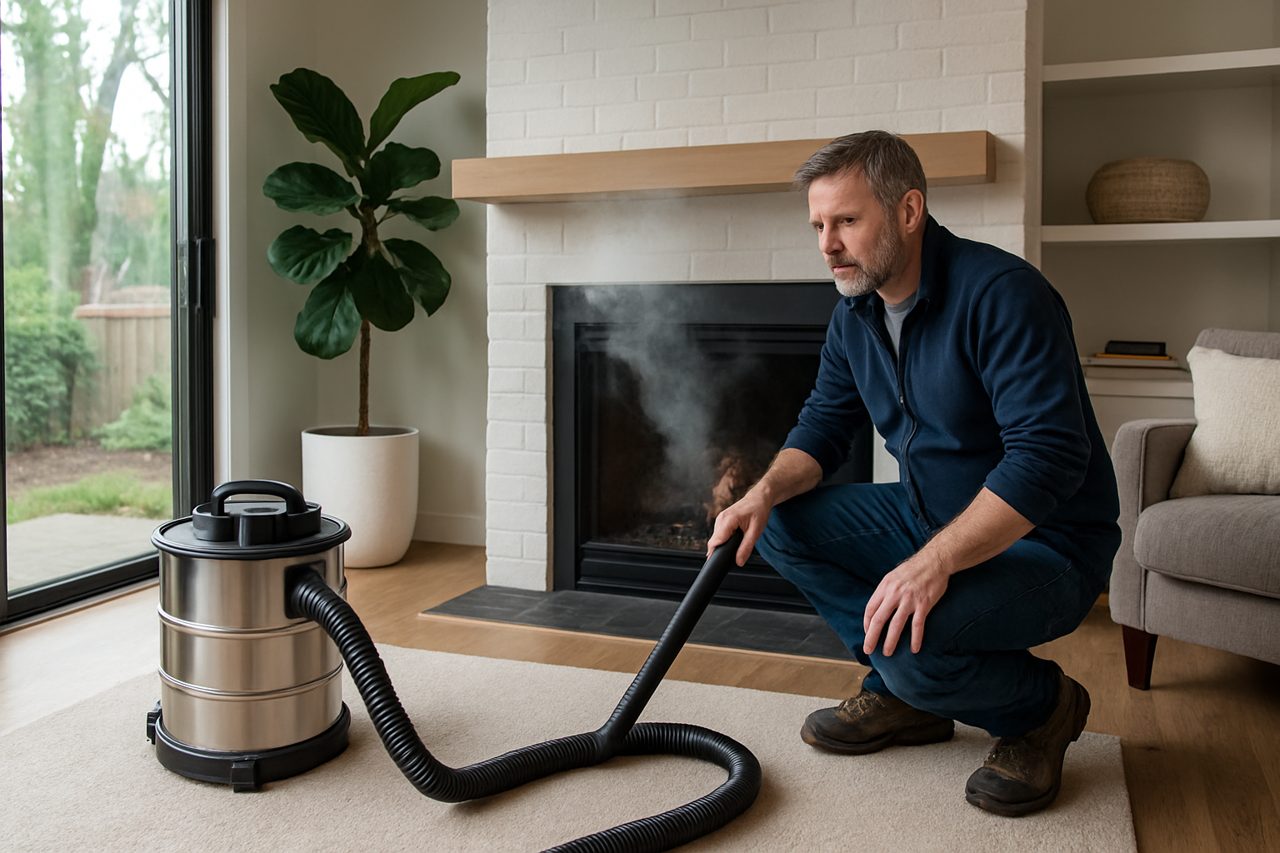
If you live in Portland, Beaverton, Hillsboro, or Vancouver WA and have ever enjoyed a cozy fire, you might have experienced the frustration of smoke drifting back into your living space. A fireplace smoke problem in Portland homes is surprisingly common, especially with our frequent damp weather and older housing stock. The good news? There are clear reasons why it happens and practical steps you can take to fix it.
Typically, smoke backing up into a room is caused by issues with airflow, chimney blockages, improper construction, or even outside weather conditions. Fixing a minor smoke problem could be as simple as adjusting your fire-building technique or opening a window for airflow. More persistent issues might require professional chimney sweeping, minor repairs, or a chimney cap installation. Costs can range from around $150 for a sweep to several hundred dollars for more extensive fixes. Addressing a fireplace smoke problem promptly keeps your home safe and lets you enjoy those winter fires without hassle.
Understanding Your Fireplace Smoke Issues: A Quick Summary
- Smoke coming into your room often means a problem with airflow, obstructions, chimney design, or negative air pressure.
- Quick fixes include opening a window, rearranging firewood, or warming the flue—but consistent issues need professional attention.
- Chimney cleaning in Portland usually costs around $150–$250, with more extensive repairs ranging higher.
- Signs you need help: persistent smoke, strange odors, visible soot, or difficulty starting fires.
- Choosing a reputable local chimney expert ensures the problem is diagnosed and fixed safely for Portland’s unique climate.
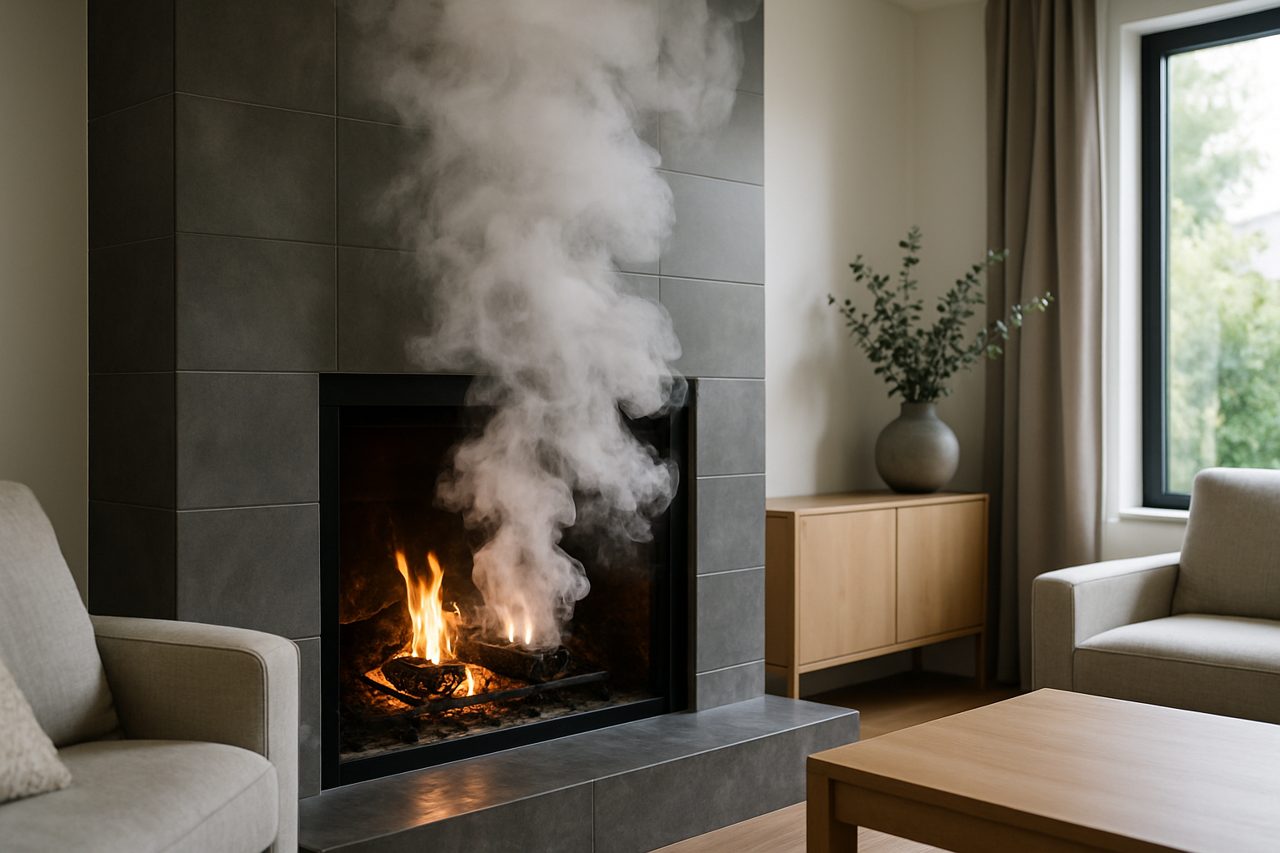
Common Causes of Fireplace Smoke Problems in Portland
Airflow and Negative Pressure
One of the main reasons smoke enters your room instead of going up the chimney is a lack of proper airflow. In older Portland homes, new weatherproofing or tightly sealed windows can create negative air pressure. This means that when you light a fire, the house is "starved" for fresh air, and instead of drawing smoke up and out, air gets pulled down the chimney (called backdrafting).
For example, if you've recently upgraded to energy-efficient windows or doors, you might have unintentionally disrupted the natural air balance. The fire needs oxygen, and if your home isn’t providing enough from the inside, it will pull air (and smoke) from any available opening.
Chimney Blockages and Buildup
Portland’s wet winters and abundant trees mean chimneys can quickly become clogged with debris, creosote, or even nesting animals. A blocked chimney restricts airflow, forcing smoke back into your living room.
Creosote is a tar-like substance that builds up from burning wood, especially if you use unseasoned or damp firewood. Not only does it cause smoke problems, but it's also a major fire hazard. If birds or squirrels have built a nest, or if leaves and twigs have accumulated, the problem can escalate quickly—sometimes you’ll even hear rustling or see debris falling into the fireplace.
Improper Fireplace or Chimney Design
Many charming older homes in Portland and surrounding areas have fireplaces built to older standards or retrofitted in ways that don’t meet today’s best practices. If the chimney is too short, too narrow, or the fireplace opening is oversized, the draft won’t be strong enough to pull smoke out efficiently.
Sometimes, a missing or poorly fitted chimney cap can also let rain enter or wind blow smoke back down into the house. Portland’s frequent rains make this especially relevant—without a cap, both water and downdrafts can cause problems.
Weather Conditions Unique to Portland
Portland’s climate can also contribute to smoke issues. Our area is prone to temperature inversions, where cold air gets trapped near the ground. If you try to light a fire when the outside air is colder than inside, the warm air from your house may not rise up the flue as intended. This is sometimes called a "cold chimney," and it prevents proper draft until the flue is warmed up.
High winds, common during winter storms, can even force smoke back down the chimney. This is why smoke problems can be unpredictable, sometimes appearing even if everything seems fine.
How Much Does It Cost to Fix a Fireplace Smoke Problem in Portland?
Typical Chimney Sweep and Inspection Fees
For most homeowners in Portland, the first step is a professional chimney sweep and inspection. This typically costs around $150–$250, depending on the height of your home, how accessible your roof is, and how dirty the chimney is.
During a sweep, technicians remove creosote, soot, and any obvious blockages like animal nests or debris. They’ll also inspect the masonry, flue liner, and damper. If your problem is simply a buildup of soot or creosote, this alone can solve your smoke issue.
Minor Repairs and Upgrades
If the inspection reveals issues with your fireplace or chimney design, costs can increase. Installing a new chimney cap usually runs $100–$300 in the Portland area, depending on size and style. Adding or repairing a damper—an essential part for controlling airflow—can cost anywhere from $150 to $400.
For homes where negative pressure is the main culprit, sometimes a simple vent installed in the room or near the fireplace can restore balance. This is a smaller project, often around $100–$200 if done professionally.
Major Repairs and Rebuilds
If your fireplace or chimney needs significant repairs—like rebuilding a damaged crown, relining the flue, or correcting structural design flaws—costs can range from $500 to several thousand dollars. These projects are less common but may be necessary in older homes, especially if you see crumbling bricks, water damage, or persistent smoke after other fixes.
Homeowner's Insurance and Local Factors
In some situations, repairs related to animal damage or storm damage may be partially covered by homeowner’s insurance, especially after Portland’s winter storms. However, regular maintenance (like chimney sweeping) is considered the homeowner’s responsibility.
How to Fix Fireplace Smoke Problems: Step-by-Step
Quick Fixes You Can Try Today
If this is the first time you’ve noticed smoke coming into your room, try these before calling in a pro:
- Open a nearby window: This can relieve negative pressure and allow proper airflow up the chimney.
- Warm the flue: Roll up a newspaper, light it, and hold it up the open damper for a minute or two. This pre-warms the air and encourages upward draft.
- Use dry, seasoned wood: Wet or green wood produces excess smoke and creosote.
- Stack wood properly: Place larger logs at the back, with plenty of air space around kindling and smaller pieces in front. This helps the fire catch and burn hotter, improving draft.
- Check the damper: Make sure it’s fully open before lighting a fire.
These steps can make a big difference, especially if your smoke problem is minor or only happens occasionally.
When to Call a Professional
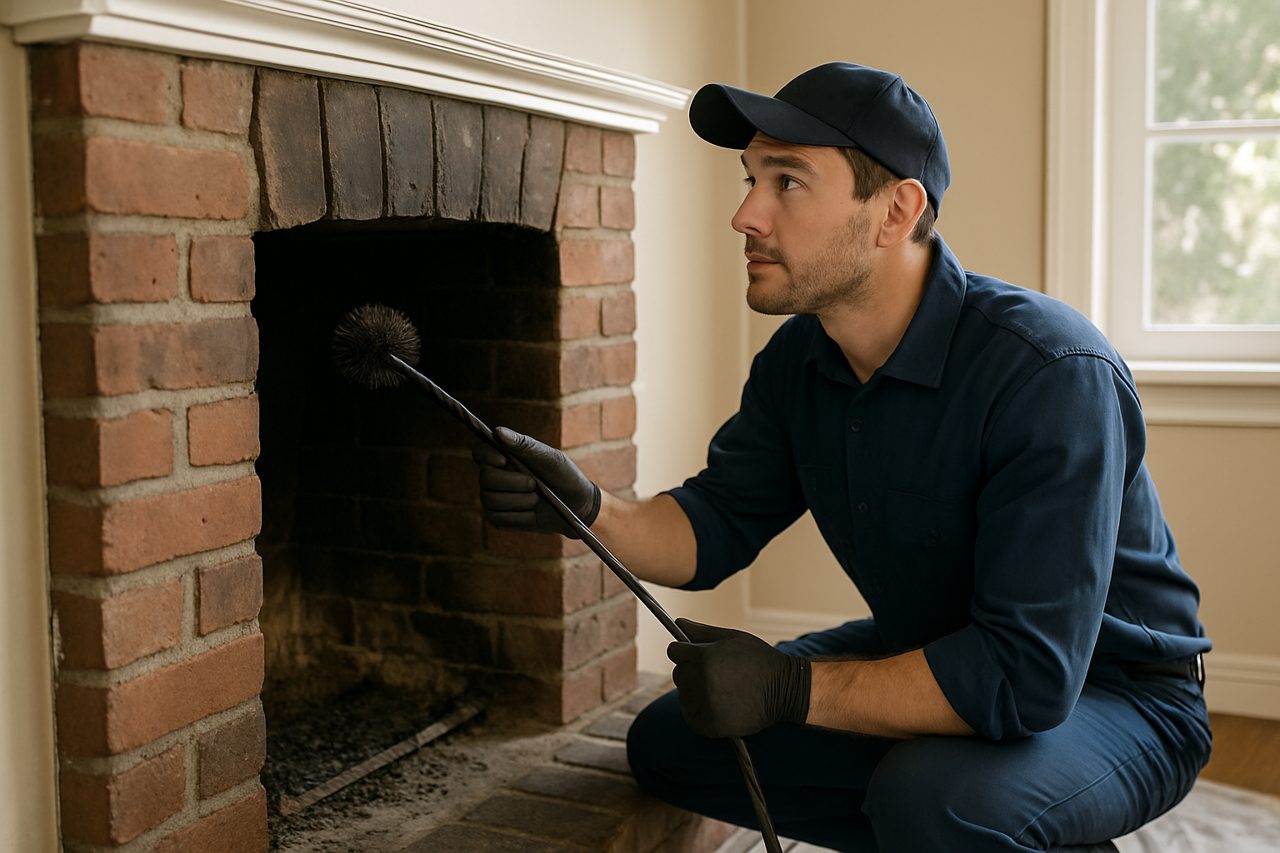
If smoke problems persist after trying the above, it’s time for a chimney sweep and inspection. Professionals have the tools and experience to spot blockages, creosote buildup, or construction flaws that you might not see from below.
In Portland, reputable chimney sweeps will use cameras to inspect the inside of your chimney, looking for cracks, misaligned flue tiles, or signs of past chimney fires. They’ll also check the damper and recommend repairs or upgrades as needed.
Long-Term Solutions and Upgrades
For chronic problems—like a fireplace that always smokes, or a chimney that’s too short for your roofline—you might need more extensive upgrades. Some options include:
- Chimney relining: If your flue liner is damaged or the wrong size, relining can improve draft and safety.
- Install a top-sealing damper: These are more effective than traditional throat dampers for controlling airflow and preventing downdrafts.
- Add a chimney cap or draft inducer: These can prevent rain, animals, and wind from causing issues.
- Correct fireplace opening size: Sometimes, a fireplace opening is too large for the chimney. Adding a smoke guard (a metal strip at the top of the opening) can help channel smoke up the flue.
Ongoing Maintenance to Prevent Future Smoke Issues
Regular chimney cleaning and inspection, at least once a year (or after every cord of wood burned), is the best way to avoid smoke problems and keep your fireplace safe. In Portland’s climate, this is especially important because of our wet winters and abundance of trees, which can accelerate buildup.
Between professional visits, keep an eye on your firewood supply, store it off the ground and covered, and avoid burning trash, glossy paper, or treated lumber—all of which create excess smoke and dangerous chemicals.
How to Choose the Right Chimney Professional in Portland
What to Look for in a Local Chimney Sweep
Not all chimney sweeps are created equal. In Portland and nearby cities, look for companies that:
- Are licensed, bonded, and insured in Oregon or Washington.
- Have certifications from the Chimney Safety Institute of America (CSIA) or National Fireplace Institute (NFI).
- Can provide local references and reviews on platforms like Google or Yelp.
- Offer before-and-after photos as part of their inspection.
- Are familiar with Portland’s climate, building codes, and common home styles (from historic craftsman bungalows to modern infill).
Questions to Ask Before You Hire
- How long have you been serving the Portland area?
- What’s included in the inspection or cleaning fee?
- Will you use a camera for internal inspections?
- Do you guarantee your work?
- How soon can you schedule an appointment (especially important during the busy fall/winter season)?
Red Flags and How to Avoid a Scam
Unfortunately, the chimney industry is not immune to scams. Beware of companies advertising ultra-cheap sweeps (like $39 or $49), pressuring you into expensive repairs on the spot, or refusing to show credentials. Trustworthy pros will always discuss findings with you, provide written estimates, and never insist on immediate work unless there’s a clear safety risk.
Signs You Need to Address a Fireplace Smoke Problem
Persistent or Sudden Onset of Smoke
If your fireplace suddenly starts smoking after years of trouble-free use, don’t ignore it. This often means something has changed: a new blockage, an animal has nested, or weatherproofing changes have altered your home’s airflow.
Strange Odors, Soot Stains, or Difficulty Starting Fires
Unpleasant odors (like a strong, tar-like smell) indicate creosote buildup. Black stains around the fireplace opening or on walls above the mantel mean smoke is escaping. Fires that are hard to start or don’t burn hot are also warning signs.
Health Symptoms and Safety Concerns
Frequent headaches, coughing, or watery eyes after using the fireplace can mean smoke or even dangerous carbon monoxide is entering your home. This is particularly serious for children, elderly family members, or anyone with respiratory issues. Portland’s damp winters mean you’re likely to keep windows closed, so air quality matters even more.
When to Stop Using Your Fireplace
If you notice any of the above symptoms, stop using your fireplace until the issue is resolved. In some cases, continued use can cause significant property damage or put your family at risk.
Fireplace Smoke Problem Portland: Comparisons and Alternatives
Comparing Open Fireplaces with Wood Stoves and Inserts
Open fireplaces, especially older masonry ones common in Portland, are more prone to smoke problems than modern wood stoves or fireplace inserts. Wood stoves and inserts are sealed systems, which means they control airflow more efficiently and often have dedicated vents or blowers to improve draft.
Installing an insert can be a bigger upfront investment (typically $2,000–$5,000 including installation), but it’s a long-term solution for homes where fireplace smoke problems just won’t go away. Inserts are also much more energy efficient and produce less air pollution—a bonus in Portland, where air quality is a concern during winter burn bans.
Gas Fireplace Options
If you’re tired of dealing with smoke and maintenance, switching to a gas fireplace is another popular option. Gas units don’t produce creosote or smoke, though they require annual safety checks. The upfront cost for conversion is higher (often $3,000–$5,000), but many Portlanders find the convenience worth it.
When to Stick with What You Have
For most homeowners, regular cleaning and minor upgrades are enough to keep an open fireplace working safely and smoke-free. With proper maintenance and a few adjustments, you can enjoy a traditional wood fire even in Portland’s damp climate.
Frequently Asked Questions
What is the most common cause of fireplace smoke problems in Portland homes?
The most common reason is poor draft due to blocked chimneys, creosote buildup, or negative air pressure caused by tightly sealed houses. Portland’s wet weather can also make chimneys more prone to debris and animal nests, which restrict airflow and cause smoke to enter your living space.
How often should I have my chimney cleaned in Portland?
At a minimum, you should have your chimney cleaned and inspected once a year, ideally before the start of heating season. If you use your fireplace frequently (burning more than a cord of wood per season), more frequent cleaning may be necessary. Portland’s abundance of trees and rain means debris and moisture can accelerate buildup.
Can I fix a fireplace smoke problem myself, or do I need a professional?
You can try some DIY fixes—like opening a window, checking the damper, warming the flue, and burning only dry wood. However, persistent smoke issues usually require a professional inspection to check for blockages, construction flaws, or safety hazards you can’t see from below.
What if my fireplace only smokes sometimes?
Occasional smoke is often related to specific weather conditions, like a cold chimney or high winds. If it happens more often, especially with every fire, it could be a sign of a developing blockage or negative pressure issue. Keeping track of when it happens (temperature, wind, etc.) can help a professional diagnose and solve the problem efficiently.
Free chimney & home-safety estimates in Portland
Chimney, fireplace, air-duct and dryer-vent services across Portland and the surrounding metro.
Need a hand from a local pro?
Forest Fresh serves Portland & SW Washington — free estimates, licensed & insured.
Get a Free Quote