How Often Should You Clean Your Air Ducts?
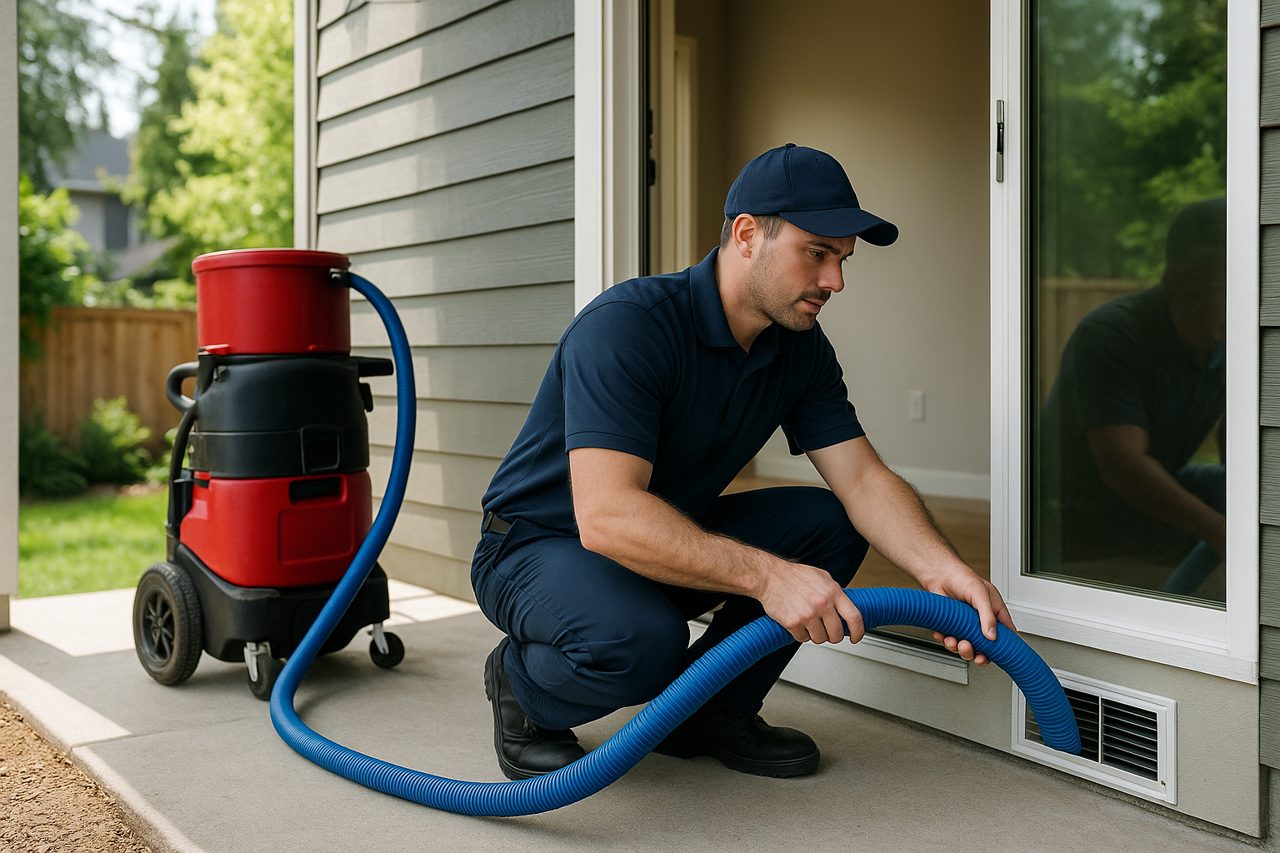
How Often Should You Clean Your Air Ducts? (air duct cleaning portland)
If you’re a Portland-area homeowner wondering how often you should clean your air ducts, the straightforward answer is: most experts recommend a professional air duct cleaning every 3 to 5 years. However, this frequency can change based on your home’s location, whether you have pets, your family’s health needs, and the overall air quality in your neighborhood. In Portland, with its wet winters, pollen-heavy springs, and proximity to forested areas, you might find air ducts needing attention more often—sometimes every 2 to 3 years, especially if you notice dust buildup, allergy symptoms, or musty odors.
Professional air duct cleaning in Portland typically costs around $400 to $700 for a standard single-family home, depending on duct length, system complexity, and whether you need additional services like dryer vent cleaning. The process involves specialized vacuums, brushes, and sometimes sanitizing agents to remove dust, pollen, mold, and other contaminants. Keeping your ducts clean isn’t just about comfort—it can improve indoor air quality, support efficient HVAC operation, and reduce allergens or irritants that may circulate through your home. This article breaks down how often you should clean your air ducts, what factors affect the schedule, what to expect from a cleaning, and how to choose the right provider in the Portland area.
Key takeaways
- Most Portland homes benefit from air duct cleaning every 3 to 5 years, but homes with pets, allergy sufferers, or recent renovations may need it more often.
- Typical professional air duct cleaning costs in Portland range from $400 to $700, with larger or more complex homes on the higher end.
- Signs you may need air duct cleaning sooner include visible dust buildup, musty or moldy smells, unexplained allergy symptoms, or recent construction.
- Air duct cleaning can help improve indoor air quality, HVAC system efficiency, and overall home comfort, especially in the Pacific Northwest’s damp climate.
- Not all duct cleaning companies are equal—look for local Portland providers with NADCA certification, transparent pricing, and solid reviews.
- Avoid common mistakes like hiring based on the lowest price, skipping regular filter changes, or ignoring signs of duct contamination.
Understanding Air Duct Cleaning in Portland
What Air Duct Cleaning Involves
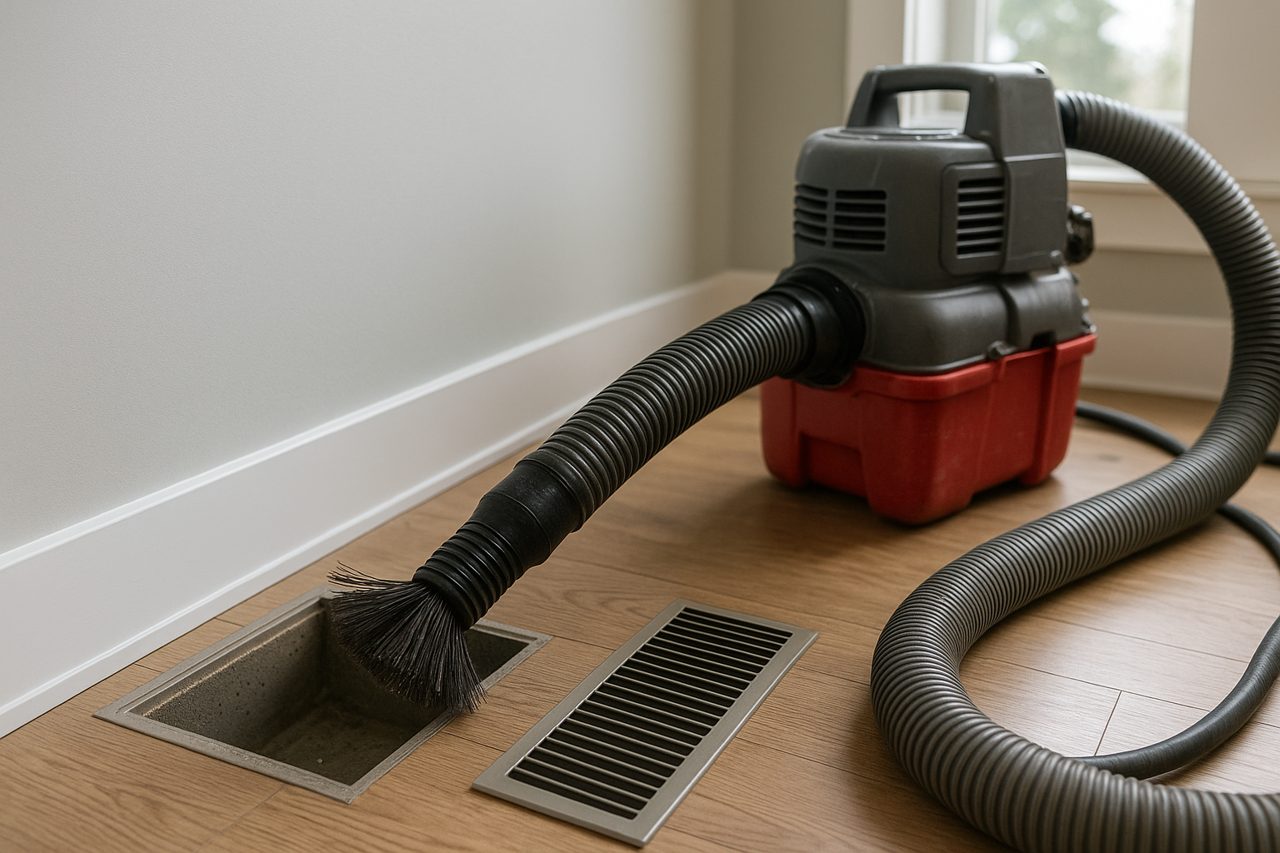
Air duct cleaning is a thorough process that targets the ductwork of your home’s heating and cooling system. Professionals use powerful vacuums, rotating brushes, and compressed air tools to dislodge and remove dust, dirt, pollen, pet dander, and even mold spores from the supply and return ducts. In Portland, ductwork often travels through crawl spaces, attics, or basements—areas prone to moisture and debris accumulation.
The cleaning may also include the system’s registers, grilles, fans, and sometimes the HVAC unit itself, depending on the package you choose. Some companies offer optional sanitizing treatments, especially if mold or bacteria are detected, though these are not always necessary and should only be used when needed. A reputable provider will do a before-and-after inspection—sometimes with a camera—so you can see the difference.
Why Portland Homes Need Air Duct Cleaning
Portland’s unique climate brings a mix of challenges for air quality. The city’s frequent rain and high humidity levels can promote mold growth inside ducts, particularly if there’s any moisture intrusion. Spring brings heavy pollen from trees and grasses, which can easily get pulled into ductwork and recirculated, aggravating allergies. In older Portland neighborhoods, homes may have ductwork that’s decades old, with leaks or gaps that let dust and insulation particles inside.
Add in the occasional wildfire smoke that drifts into the region, and it’s easy to see why Portland homeowners need to pay special attention to their indoor air systems. Even in newer homes, construction dust, pet hair, and daily living can clog ducts faster than you might expect.
Typical Portland Duct Cleaning Timeline
While the national recommendation is every 3 to 5 years, Portland’s mix of moisture, pollen, and urban dust means some homes—especially those with pets, young children, or allergy sufferers—may benefit from cleaning every 2 to 3 years. If you’ve had recent renovations, water damage, or rodent problems, it’s wise to schedule a cleaning sooner.
How Much Does Air Duct Cleaning Cost in Portland?
Average Price Range
In the Portland metro area, you can expect to pay around $400 to $700 for a professional air duct cleaning on a typical single-family home. This price usually covers cleaning all the supply and return ducts, registers, and, in some cases, the air handler or furnace. If your home is larger (over 3,000 square feet), has multiple HVAC systems, or features unusually long or complex duct runs, prices can reach $900 or more.
Some companies offer package deals that include dryer vent cleaning or discounts for multiple services, which can be a good value if you need other maintenance at the same time.
What Affects the Cost?
- Size of your home: More square footage generally means more ducts to clean.
- Number of vents: Each additional vent adds to the time and labor required.
- Accessibility: If your ducts are hard to reach (like in tight crawl spaces), expect a higher rate.
- Contamination level: Mold, rodent droppings, or heavy buildup may require extra steps or treatments.
- Add-ons: Sanitizing sprays, dryer vent cleaning, or filter replacements are typically extra.
What’s Included (and What’s Not)
A reputable air duct cleaning in Portland should include a full system cleaning—supply and return ducts, registers, and sometimes the blower and coil. Watch out for “too good to be true” prices that only include a few vents or have hidden fees for each additional register. Always ask for a detailed quote and clarification on what’s included before booking.
How Air Duct Cleaning Works
The Step-by-Step Process
1. Inspection: The technician will examine your ducts, sometimes using cameras, to assess the level of dust and debris and check for mold or damage.
2. Preparation: Registers and vents are covered to contain dust. The HVAC system is turned off, and access holes may be made in the ductwork for cleaning equipment.
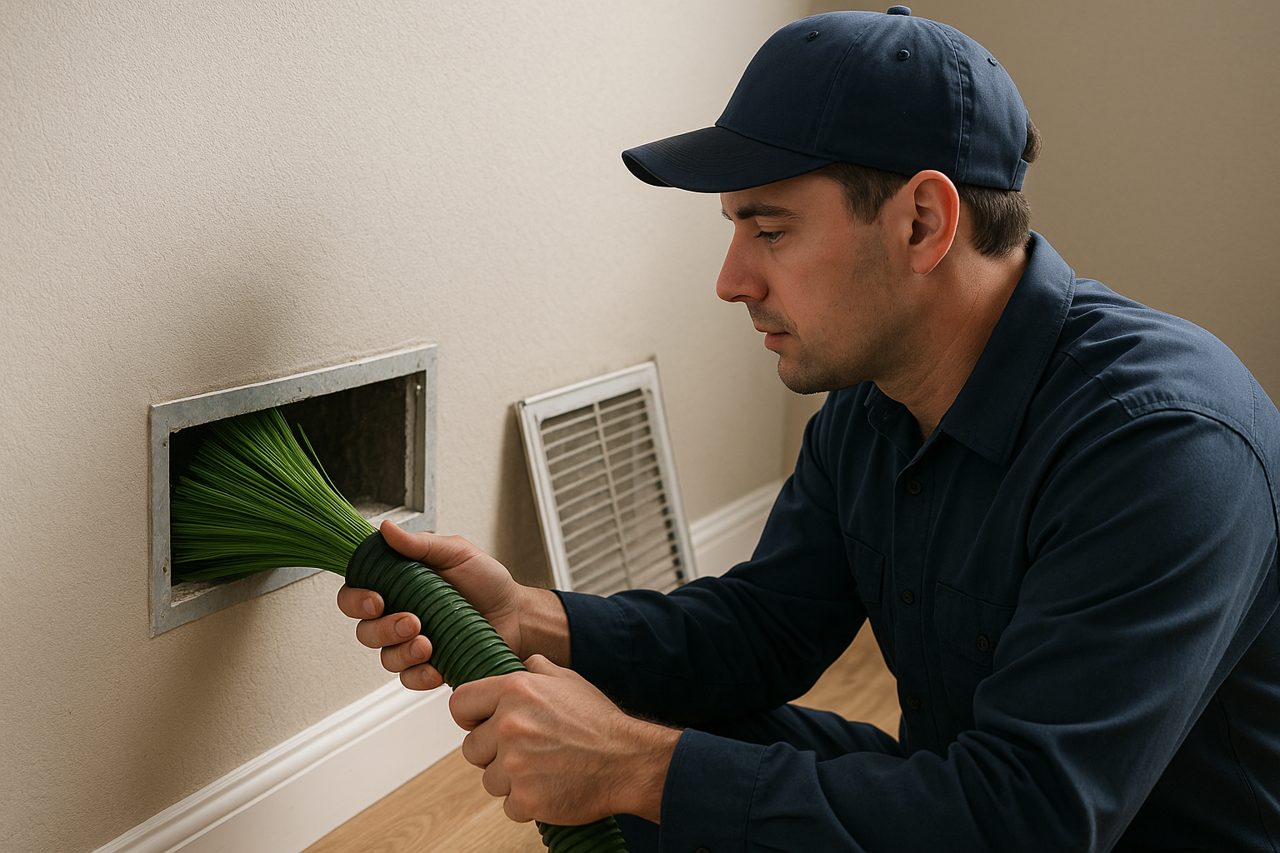
3. Cleaning: Specialized vacuums create negative pressure to suck out debris, while rotating brushes and compressed air dislodge stuck-on material. Some companies use HEPA vacuums for extra filtration.
4. Sanitizing (if necessary): If mold or bacteria are present, an antimicrobial treatment may be applied. Your technician should explain if this step is needed.
5. Final check and sealing: The system is reassembled, and access holes are sealed. Some companies will show you before-and-after photos or videos.
How Long Does It Take?
Most standard Portland homes can be fully cleaned in 2 to 4 hours. Larger or more complex systems may take longer. If your technician rushes through in under an hour, that’s a red flag—thorough cleaning takes time.
What About DIY?
While there are vacuum attachments and brushes marketed for DIY duct cleaning, these rarely reach deep enough or generate the suction needed to truly clean a whole system. Inexperienced cleaning can also damage ducts or dislodge asbestos in very old homes. For a full, safe, and effective job, professional equipment and expertise are strongly recommended.
How to Choose a Portland Air Duct Cleaning Company
What to Look For
- NADCA certification: The National Air Duct Cleaners Association (NADCA) sets industry standards for duct cleaning. Certified companies are trained and held to a code of ethics.
- Local experience: Companies familiar with Portland’s climate, typical home construction, and common duct issues will do a better job.
- Transparent pricing: Avoid companies that won’t give a clear, written quote or that offer suspiciously low prices.
- Solid reviews: Check Google, Yelp, and Nextdoor for recent reviews from Portland, Beaverton, Hillsboro, or Vancouver, WA homeowners.
- Insurance and bonding: This protects you if there’s accidental damage or injury.
Red Flags to Avoid
- “Whole house” specials under $200: These often turn out to be bait-and-switch scams, with extra fees for each vent or “mold treatments” you don’t need.
- Hard-sell tactics: Pressure to buy add-on services, “urgent” mold remediation, or scare tactics are a warning sign.
- No physical address: Be wary of companies without a local office or a physical address in the Portland metro area.
Local Recommendations
Ask neighbors or your HVAC technician for recommendations. Many reputable Portland-area companies are family-owned and take pride in their workmanship. Always verify credentials and check for current licensing with the Oregon Construction Contractors Board if in doubt.
Signs It’s Time to Clean Your Air Ducts
Visible Dust and Debris
If you see dust puffing out of your vents when the heat or AC turns on, or if you notice thick dust buildup on vent covers even after regular cleaning, it’s a strong sign your ducts are overdue for attention. In some cases, you might even spot pet hair, construction debris, or cobwebs inside the vent openings.
Musty or Moldy Odors
Portland’s damp climate makes mold a constant concern. If you notice a persistent musty or earthy smell when your HVAC system is running, or if anyone in your family starts sneezing or coughing more indoors, mold or mildew in the ducts could be the culprit. Sometimes you can spot visible mold growth around vent edges or in the ducts themselves (a flashlight and mirror can help), but often the smell is your first clue.
Increased Allergy or Respiratory Symptoms
Unexplained allergy flare-ups, asthma attacks, or frequent respiratory irritation—especially when indoors—may be linked to dirty ducts. Dust mites, pollen, pet dander, and even rodent droppings can all build up and recirculate, particularly in Portland’s older homes with less airtight ductwork.
Recent Renovations or Rodent Activity
If you’ve recently remodeled, added insulation, or had roofing or drywall work done, there’s a good chance construction dust and debris have found their way into your ductwork. Similarly, if you’ve had mice, rats, or squirrels in your attic or crawl space (a frequent issue in Portland), cleaning is essential after exclusion to remove droppings and nesting materials.
Pros and Cons of Air Duct Cleaning
The Benefits
- Improved air quality: Removing dust, pollen, and contaminants means cleaner air for your family, which is especially important for kids, seniors, and anyone with allergies.
- Better HVAC efficiency: Clean ducts allow air to flow more freely, helping your system heat and cool more effectively and possibly reducing energy bills.
- Odor reduction: Musty, smoky, or pet-related odors can linger in dirty ducts—cleaning helps freshen your whole home.
- Longer system life: Less dust and debris circulating through your furnace or AC means less wear and tear on sensitive components.
The Drawbacks
- Not always necessary: If your ducts are well-sealed, you change filters regularly, and there are no signs of contamination, cleaning may offer little benefit.
- Cost: Professional cleaning isn’t cheap, especially for large or complex homes.
- Risk of damage: Unqualified companies or aggressive cleaning methods can damage ductwork, especially in older homes with fragile flexible ducts or asbestos-lined pipes.
- Unrealistic promises: Watch out for claims that duct cleaning will cure all allergies or drastically lower energy bills—results vary.
When It’s Not Worth It
If you’re diligent about filter changes, have no pets or allergies, and your ducts are recently installed or visibly clean, you might not see much improvement. Always weigh the signs and your family’s needs before deciding.
Air Duct Cleaning vs. Other Home Air Quality Solutions
Duct Cleaning vs. Filter Changes
Changing your HVAC filter regularly—every 1 to 3 months for most Portland homes—is the single most effective way to keep dust and allergens out of your ducts. While duct cleaning removes built-up debris, it’s not a substitute for ongoing filter maintenance. Think of filters as your first line of defense, and duct cleaning as a periodic deep clean.
Duct Cleaning vs. Air Purifiers
Portable or whole-house air purifiers can trap even smaller particles than most HVAC filters, including some bacteria and viruses. These are a great supplement, especially for allergy sufferers, but they don’t remove the debris already inside your ductwork. A combination of regular filter changes, periodic duct cleaning, and air purifiers can provide the best results, especially during Portland’s heavy pollen seasons.
Duct Cleaning vs. Duct Replacement
In some older Portland homes, ducts may be so damaged, leaky, or lined with insulation containing asbestos that replacement is a smarter (and safer) investment than cleaning. A trustworthy duct cleaning company will alert you if they find major damage or hazardous materials and may recommend consulting an HVAC contractor for replacement.
Maintenance Tips Between Cleanings
Change Filters Regularly
Stay on top of HVAC filter changes—every 1 to 3 months, depending on pet ownership, allergies, and usage. Consider using higher-rated filters (MERV 8-13) for better particle capture, but check your HVAC system’s compatibility first.
Keep Vents Clean and Unblocked
Vacuum vent covers and the area around them at least once a month. Make sure furniture, rugs, or drapes aren’t blocking airflow. If you see dust collecting quickly, double-check your filter and consider an earlier duct cleaning.
Address Moisture Issues
Fix any roof leaks, crawl space moisture, or condensation issues promptly. In Portland, even minor leaks can lead to mold growth in ducts. Use a dehumidifier in damp basements or crawl spaces if needed.
Control Pet Hair and Dander
Brush pets regularly and vacuum floors and upholstery often. Pet fur is a major contributor to duct buildup, especially in multi-pet homes. Consider cleaning your ducts every 2 to 3 years if you have cats or dogs.
Schedule Routine HVAC Maintenance
Have your HVAC system serviced yearly by a local technician. They’ll check for leaks, clogged coils, or other issues that can affect both air quality and duct cleanliness.
Common Mistakes to Avoid With Air Duct Cleaning
Chasing Bargain Prices
The lowest price isn’t always the best value. Companies advertising “whole house” cleaning for $99 or $149 often tack on hidden fees or do a rushed, incomplete job. In Portland, expect to pay a fair market rate for thorough, reputable service.
Ignoring Warning Signs
Don’t wait until you see visible mold or heavy dust clouds before taking action. Early signs like increased sneezing, musty smells, or dirty vent covers are your cue to investigate and possibly schedule a cleaning.
Skipping Filter Changes
No amount of duct cleaning can make up for neglected filters. Dirty filters let more dust, pollen, and pet dander into your ducts, undoing the benefits of a recent cleaning.
Overusing Antimicrobial Sprays
Some companies push antimicrobial or deodorizing sprays at every visit. These treatments should only be used if there’s confirmed mold or bacteria—otherwise, they’re unnecessary and may introduce chemicals you don’t need.
DIY Without Proper Tools
Trying to clean ducts yourself with vacuums or brushes can actually compact debris deeper or damage flexible ducting. Without the right equipment, you’re more likely to stir up dust than remove it.
What to Expect During a Portland Air Duct Cleaning
Scheduling and Prep
Most companies can schedule you within a week or two, though spring (after pollen season) and fall (before the heating season) are busiest. You’ll be asked to clear the area around vents and provide access to the furnace and main HVAC unit. Pets should be secured for their safety and the technician’s comfort.
The Day of Service
Technicians will arrive with truck-mounted or portable vacuums, hoses, and brushes. They’ll inspect your ducts, explain what they find, and outline the process. Expect some noise and movement as they access each vent and possibly the attic or crawl space.
Cleanup and Aftercare
Professional cleaners will leave your home as clean as they found it, reattaching vent covers and cleaning up any dust. You may notice a slight change in airflow or a fresher smell afterward. If any repairs or further action are needed (like sealing leaks or replacing damaged ducts), your technician will explain next steps.
How Often Should You Repeat?
In most Portland homes, every 3 to 5 years is sufficient, but high-traffic, multi-pet, or allergy-sensitive households might need cleaning every 2 to 3 years. After major renovations or rodent issues, schedule a cleaning as soon as possible.
Local Considerations for Air Duct Cleaning in Portland
Climate and Environmental Factors
Portland’s rainy weather, frequent pollen, and periodic wildfire smoke mean airborne particles are a constant challenge. Moisture can also lead to mold growth in ducts, particularly in homes with poor ventilation or crawl space water issues.
Home Age and Construction
Many older homes in Portland, Beaverton, and Vancouver have original ductwork that may not be well-sealed or insulated. These homes are more likely to accumulate dust, moisture, and even pests in the duct system. Newer homes aren’t immune, especially if construction debris wasn’t fully cleared during the build.
Neighborhood Differences
Homes near busy roads (like I-5 or US-26), close to forested areas, or in neighborhoods with more wood-burning stoves (common in southeast Portland) may accumulate different types of pollutants. Local knowledge can help tailor your cleaning schedule to your specific situation.
Regulations and Best Practices
Oregon does not require licensing for all duct cleaning providers, so it’s even more important to check for NADCA certification and solid reviews. In homes built before 1980, ask about the possibility of asbestos in your duct insulation—removal or disturbance requires special handling.
Frequently Asked Questions
How do I know if my air ducts really need cleaning?
You should consider cleaning if you see visible dust, pet hair, or debris coming from vents, notice musty smells, experience unexplained allergy symptoms, or have had recent renovations or rodent problems. A reputable company can inspect and show you photos or video of the inside of your ducts to confirm if cleaning is necessary.
Is air duct cleaning safe for my family and pets?
Yes, when done by a qualified professional using industry-standard equipment, air duct cleaning is safe. Some antimicrobial or deodorizing treatments use chemicals, so always ask what’s being applied and ventilate your home during and after the process.
Can air duct cleaning help with allergies or asthma?
It can help reduce triggers like dust, pollen, pet dander, and mold, which may improve symptoms for allergy or asthma sufferers. However, results vary depending on other factors like filter quality, overall home cleanliness, and outdoor air quality.
How long does air duct cleaning take?
Most standard Portland homes can be cleaned in about 2 to 4 hours. Larger or more complex homes may take longer. The process should be thorough—if your provider is done in under an hour, the job may not be complete.
Should I get my dryer vent cleaned at the same time?
Absolutely. Lint buildup in dryer vents is a major fire hazard and can also reduce your dryer’s efficiency. Many companies offer bundled discounts for air duct and dryer vent cleaning together.
What should I do after my ducts are cleaned?
Replace your HVAC filter, vacuum vent covers, and keep an eye on dust levels. Address any moisture issues, and stick to a regular maintenance schedule. You may notice fresher air and less dust for months after a thorough cleaning.
Free chimney & home-safety estimates in Portland
Chimney, fireplace, air-duct and dryer-vent services across Portland and the surrounding metro.
Need a hand from a local pro?
Forest Fresh serves Portland & SW Washington — free estimates, licensed & insured.
Get a Free Quote