Dryer Vent Cleaning: The Hidden Fire Risk in Your Home
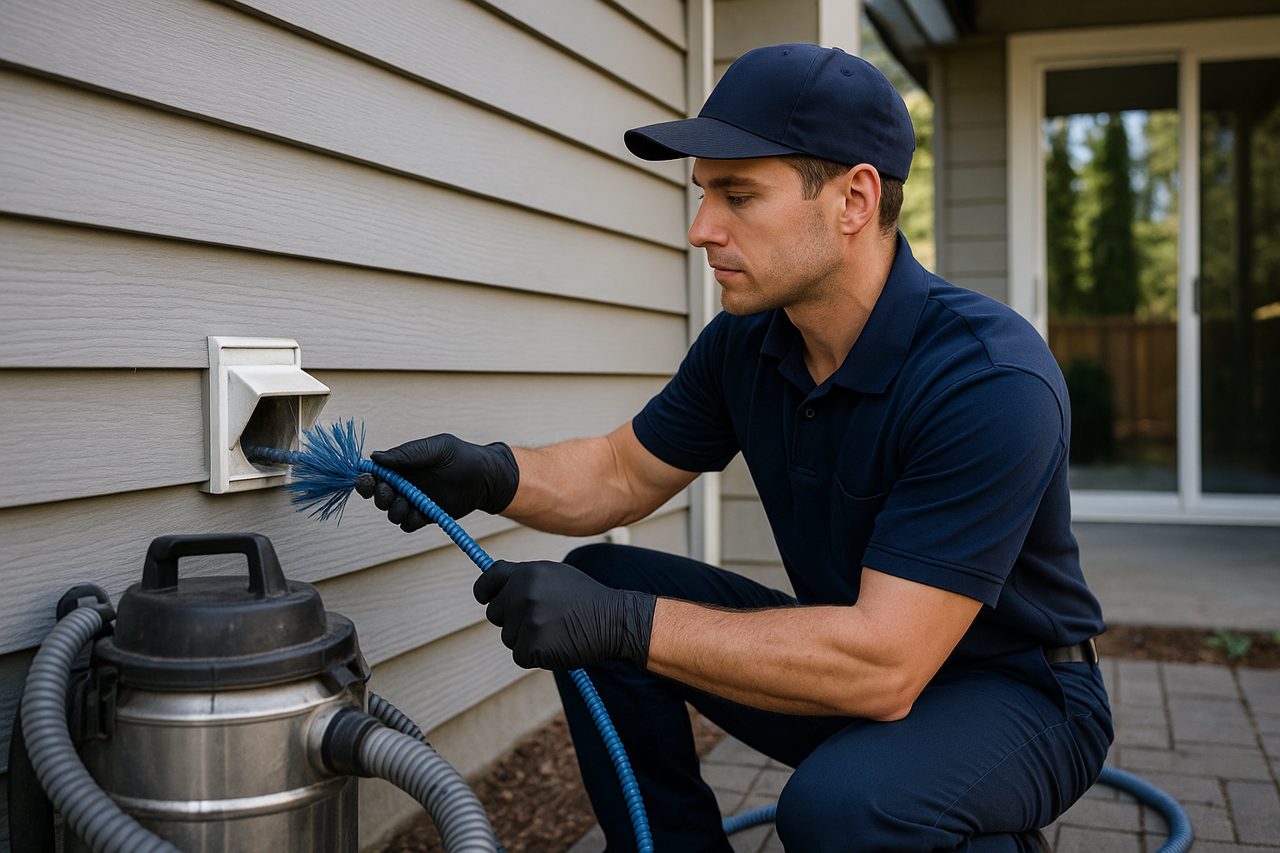
Dryer Vent Cleaning Portland: The Hidden Fire Risk in Your Home
Most Portland homeowners don’t realize that a clogged dryer vent is one of the leading causes of household fires in the United States. Dryer vent cleaning in Portland typically costs around $120 to $250, depending on your home's layout and vent length. However, the real cost of neglecting this maintenance can be much higher if a fire starts or your appliance fails prematurely. Regular dryer vent cleaning not only improves your dryer’s efficiency but also protects your home from a hidden, but very real, fire hazard.
If you’ve never had your dryer vent cleaned or you notice your clothes aren’t drying as fast as they used to, now is the time to pay attention. The moist, lint-filled air leaving your dryer travels through ducts that can quickly become clogged with lint, dust, and even small animal nests—especially in the damp Pacific Northwest. This buildup is highly flammable, and when combined with the heat from your dryer, the risk for fire increases dramatically. Dryer vent cleaning is a simple, affordable service that can save you money on energy bills, extend the life of your dryer, and—most importantly—keep your family safe.
Below, you'll learn what dryer vent cleaning involves, how much it costs in the Portland area, signs your vent needs attention, and how to choose a reliable local service. We’ll also go over the risks of neglect, how Portland’s climate impacts your vent, and answer the most common questions about dryer vent cleaning in Portland, Beaverton, Hillsboro, and Vancouver, WA.
Key Takeaways
- Regular dryer vent cleaning in Portland costs around $120–$250, but can prevent house fires and expensive repairs.
- Clogged vents are a major fire hazard—especially in older homes or those with long vent runs.
- Signs you need cleaning include longer drying times, hot laundry rooms, and lint buildup outside the vent.
- Portland’s wet climate increases the risk of vent blockages due to moisture and potential mold.
- Professional cleaning is safer and more thorough than DIY, especially for multi-story homes.
- Annual cleaning is best for most households; more frequent service may be needed for heavy use or older venting systems.
Why Dryer Vent Cleaning Is Critical in Portland
The Fire Risk Lurking in Lint
Many people assume that cleaning the dryer’s lint trap is enough to keep things safe, but that’s just the beginning. Lint is incredibly flammable—dryer fires account for thousands of house fires each year in the US, with the majority caused by lint buildup in the venting. When air can’t escape, heat builds up, and eventually, a spark or high temperature can ignite the lint. This can quickly escalate, especially in homes with long or winding vents, which are common in older Portland houses.
Local fire departments, including Portland Fire & Rescue, regularly warn about the dangers of neglected dryer vents. In neighborhoods with historic homes or converted ADUs (Accessory Dwelling Units), venting may have been rerouted or extended, increasing fire risk due to longer vent runs and multiple bends. The risk is even higher for homes that use their dryers frequently or have pets, as pet hair combines with lint to create stubborn blockages.
Portland’s Climate and Your Dryer Vent
Unlike dryer vents in drier climates, those in Portland must contend with persistent humidity and rain. This moisture can cause lint to clump and stick inside the vent, making it harder to remove and increasing the risk of blockage. In addition, the Pacific Northwest is home to a variety of small animals—squirrels, birds, and even mice—that seek shelter in warm, sheltered dryer vents during colder months. Nests and debris from these critters can completely block airflow.
Homes in Beaverton, Hillsboro, and Vancouver, WA, often experience similar issues due to the region’s wet, temperate climate. If your vent exits near the ground or on a shaded side of the house, it’s even more likely to accumulate moisture and debris. All of this means regular dryer vent cleaning is even more crucial for Portland-area homes.
Hidden Costs of Ignoring Dryer Vent Cleaning
While the immediate concern with a clogged vent is fire, there are other hidden costs to neglecting this service. Dryers forced to work harder to push air through a blocked vent use significantly more electricity or gas, resulting in higher utility bills. You might also find yourself replacing heating elements, thermostats, or even the entire dryer prematurely due to excess wear and tear.
Clogged vents can also cause moisture to back up into your laundry room, leading to mold or mildew growth. In Portland, where basements and laundry rooms are often located in cooler, damp spaces, this can quickly become a health hazard. Additionally, poor airflow allows allergens and dust to circulate, aggravating allergies and respiratory issues.
How Much Does Dryer Vent Cleaning Cost in Portland?
Typical Price Range for Dryer Vent Cleaning
In the Portland metro area, professional dryer vent cleaning typically costs between $120 and $250 for a standard single-family home. The exact price depends on a few factors: the length and complexity of your vent system, the number of stories in your home, and how accessible the vent exits are. Homes with rooftop exhausts or vents that run through crawl spaces or attics may be at the higher end of the range due to the extra labor and safety equipment required.
For those living in apartments or condos, the cost may be lower if vents are short and easily accessible. On the other hand, larger homes or those with laundry facilities far from an exterior wall may see higher charges. Prices in Beaverton, Hillsboro, and Vancouver, WA, are generally similar to Portland, but may vary slightly based on travel distance or local demand.
What’s Included in a Professional Cleaning?
A standard dryer vent cleaning service should include:
- Inspection of the entire venting system, including both interior and exterior components
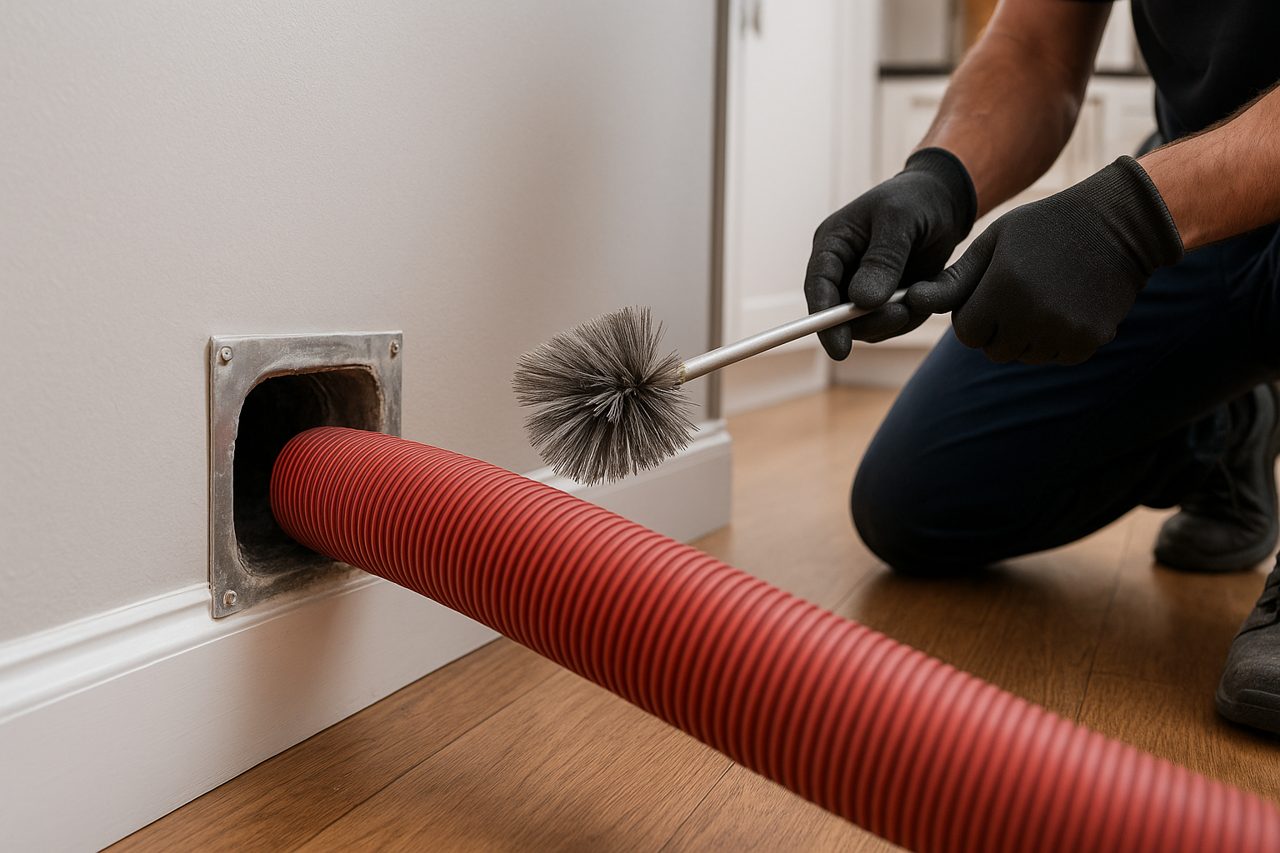
- Lint and debris removal from the vent pipe using specialized brushes and vacuums
- Cleaning of the exterior vent hood and screen
- Testing of airflow and, in some cases, camera inspection for stubborn blockages
Some companies may offer package deals that include both dryer vent and air duct cleaning, or discounts for multiple units in apartment buildings or duplexes. Always ask for a detailed breakdown of services before agreeing to a price to avoid surprises.
Additional Costs to Consider
Occasionally, the technician may discover damage during cleaning—crushed vent pipes, disconnected joints, or bird nests blocking the vent. Repairing or replacing damaged sections will add to the cost. Expect to pay extra if the vent needs to be rerouted or if extensive repairs are required. However, catching these issues early often prevents much larger expenses down the road.
For homeowners who need cleaning more than once a year (such as landlords with multiple rental units), many Portland companies offer service contracts or bulk rates. It’s also worth noting that emergency or after-hours service may cost more, especially if you’ve experienced a complete blockage or a dryer malfunction.
How Dryer Vent Cleaning Works
Step-by-Step Cleaning Process
Professional dryer vent cleaning is a thorough process designed to remove all lint and debris from your venting system. Here’s what you can expect:
1. Inspection: The technician inspects your vent, both inside and outside, to identify blockages, damage, or improper installation.
2. Disconnect and Access: The dryer is carefully pulled away from the wall, and the vent hose is disconnected. In some cases, access panels or vent covers outside are also removed.
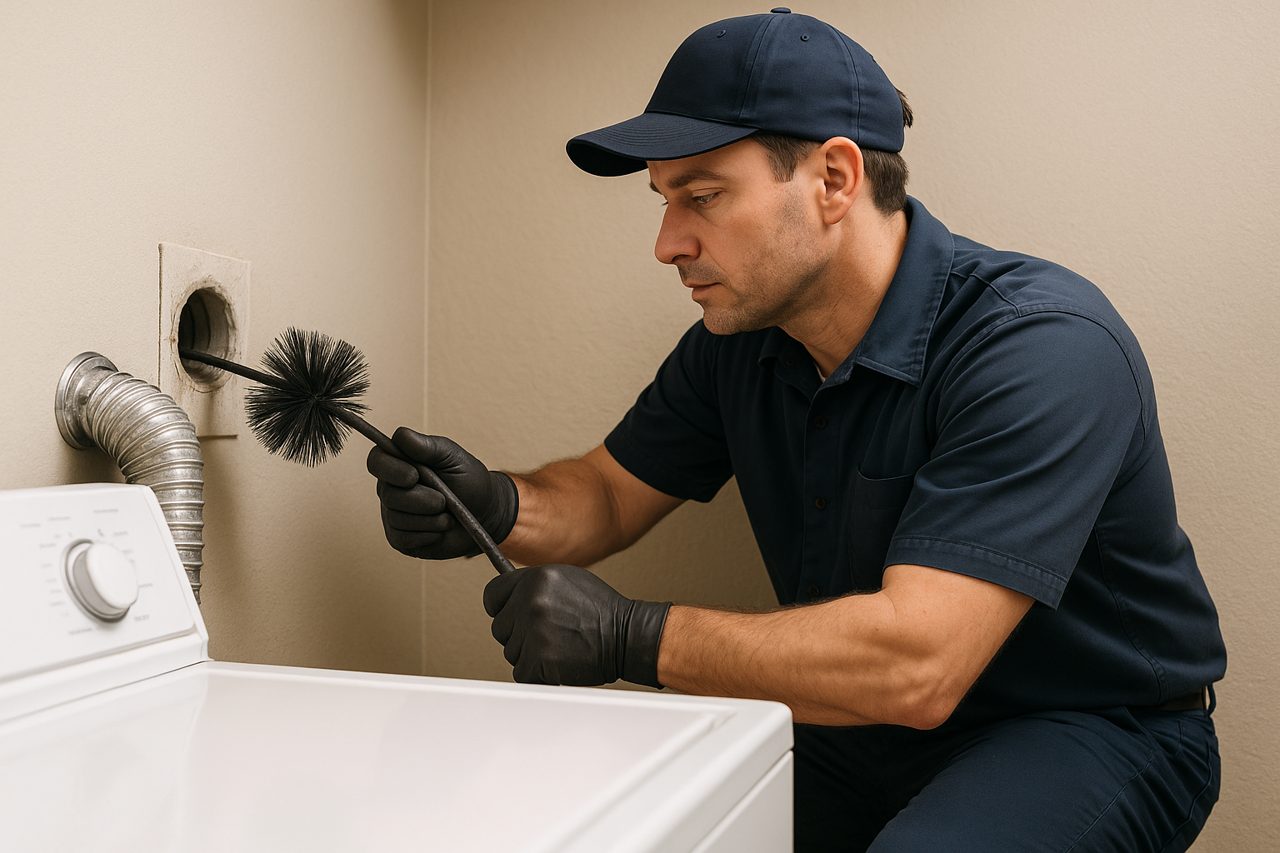
3. Cleaning Tools: High-powered vacuums, rotating brushes, and sometimes compressed air tools are used to dislodge and remove lint from the entire length of the vent. For long or twisting vents, flexible rods are used to reach every corner.
4. Exterior Cleaning: The exterior vent hood is cleaned of lint, leaves, or nests. Screens or flaps are checked to ensure they open and close freely.
5. Reassembly and Testing: The venting system is reconnected, and the dryer is tested for proper airflow. The technician may use an airflow meter or simply run the dryer to make sure air is escaping at full force.
This process typically takes 45 minutes to 2 hours, depending on the complexity of your vent system.
Specialized Equipment Makes a Difference
While it’s possible to attempt dryer vent cleaning with a shop vac or a consumer-grade brush kit, professionals use specialized, high-powered equipment that’s much more effective. The rotary brush systems spin to break up compacted lint, while industrial vacuums capture even fine dust and debris. Some companies in Portland even use video inspection cameras to check for hidden blockages or damaged pipes.
For vents that run vertically through walls or up to the roof—a common layout in Portland’s older homes—professionals have the ladders and safety gear needed to access hard-to-reach exhaust points. This reduces the risk of accidental damage or injury.
Safety Protocols and Best Practices
Reputable dryer vent cleaning services in Portland follow strict safety protocols. They ensure the dryer is unplugged or the gas supply is shut off before disconnecting anything. If gas lines are involved, they check for leaks and ensure all connections are secure before leaving.
Technicians are trained to spot red flags like melted vent hoses, signs of rodent infestation, or exposed wiring near the dryer, and will advise you on any needed repairs. This level of expertise is hard to match with DIY cleaning and provides an added layer of protection for your home.
Signs Your Dryer Vent Needs Cleaning
Slow Drying and Hot Laundry Rooms
One of the first signs your vent is clogged is when clothes take longer to dry. If you find yourself running the same load two or even three times before your clothes are fully dry, the hot, moist air may not be escaping properly. This is especially common during Portland’s rainy season, when outside humidity already makes drying more challenging.
Another telltale sign is a laundry room that feels unusually hot or humid when the dryer is running. This means heat is being trapped inside instead of venting outdoors. Over time, this trapped heat can damage your dryer and increase the risk of fire.
Lint Buildup Outside or Behind the Dryer
Take a look behind your dryer and at the exterior vent flap. If you see lint collecting on the floor, behind the machine, or sticking to the outside vent, it’s a clear sign that lint is escaping or backing up. In some cases, the vent flap may not open fully due to lint or debris blocking the way, which further reduces airflow.
In Portland neighborhoods with lots of trees or wildlife, you may also notice leaves, feathers, or animal droppings near the exterior vent. This can indicate that birds or rodents are entering the vent, possibly building nests that block air movement.
Burning Smell or Excessive Heat
A burning smell while your dryer is running is a red flag that lint may be overheating inside the vent. Never ignore this sign—turn off your dryer immediately and inspect the vent for blockages. If you see scorch marks or melted plastic near the vent hose, call a professional right away.
Another subtle indicator is if the outside of your dryer feels unusually hot to the touch. This suggests the appliance is working overtime, which can quickly lead to mechanical failure or worse.
Increased Utility Bills
If your energy or gas bills suddenly spike without a clear reason, a clogged dryer vent could be the culprit. Because the dryer has to run longer to achieve the same results, it uses more energy, driving up your monthly costs. In an energy-conscious city like Portland, this is an extra incentive to keep vents clean.
Mold or Musty Odors
In Portland’s damp climate, a clogged vent can cause moisture to linger in your laundry room or venting system. Over time, this encourages mold and mildew growth, which not only smells bad but can also trigger allergies and respiratory issues. If you notice musty odors, inspect your dryer vent as part of your troubleshooting process.
How to Choose a Dryer Vent Cleaning Service in Portland
What to Look for in a Local Company
Choosing the right dryer vent cleaning service in Portland isn’t just about finding the lowest price. Experience, proper insurance, and specialized equipment all matter. Look for companies that:
- Are licensed and insured in Oregon and/or Washington
- Have strong, recent reviews on platforms like Google, Yelp, or Angie’s List
- Use professional-grade rotary brushes and vacuums (not just leaf blowers)
- Offer a clear, written estimate up front
- Provide before-and-after photos or airflow measurements
Many reputable companies in Portland, Beaverton, and nearby cities will also offer references or case studies from past customers. Don’t hesitate to ask.
Beware of Scams and “Blow-and-Go” Cleaners
Unfortunately, the home services industry is not immune to scams. Some so-called dryer vent cleaners may offer suspiciously low prices, but only blow air down the vent with no real cleaning, or try to upsell unnecessary repairs. Others may lack insurance, putting you at risk if they’re injured on your property.
To avoid these pitfalls, be wary of anyone quoting under $80 for a full cleaning, or who refuses to provide credentials or a written scope of work. Genuine professionals will always answer your questions and provide proof of insurance.
Questions to Ask Before Hiring
When calling for quotes, ask:
- How long have you been in business in the Portland area?
- What equipment do you use for cleaning?
- Can you access roof vents or multi-story homes?
- Will you check for damage or improper installation?
- Do you guarantee your work or provide photos/airflow tests?
The answers will help you gauge whether the company is experienced and trustworthy.
Comparing Professional vs. DIY Dryer Vent Cleaning
Pros and Cons of DIY Cleaning
Some homeowners in Portland consider cleaning their own dryer vents to save money. While DIY cleaning kits are sold at hardware stores for $20–$40, they have limitations. These brush kits can remove some surface lint from short, straight vents, but often miss compacted debris in longer or twisting ducts.
DIY cleaning can also be risky. Reaching behind the dryer or accessing roof vents can lead to injury. There’s also the risk of damaging flexible vent hoses or failing to reattach everything securely, which can result in leaks or carbon monoxide exposure in gas dryers.
That said, DIY cleaning may be a reasonable option for very short, straight vents where the exterior vent is easily accessible. If you try this route, always unplug the dryer (or turn off the gas), use appropriate safety gear, and check the vent thoroughly from both ends.
The Value of Professional Service
Professional dryer vent cleaning goes far beyond a quick brush-through. Techs use powerful rotary brushes, high-suction vacuums, and often camera scopes to ensure every inch of the vent is clear. They can safely handle long, multi-bend vents common in older Portland homes, and spot signs of wear or improper installation that a DIYer might miss.
Additionally, professionals guarantee their work, often providing before-and-after photos or airflow tests. This peace of mind is worth the extra cost, especially considering the fire risk and potential for expensive dryer repairs.
When DIY Isn’t Enough
If your dryer vent is longer than 10 feet, has multiple bends, or vents through the roof or an upper story, professional cleaning is strongly recommended. The same goes for homes with gas dryers, where safety is paramount. In apartment buildings or duplexes, venting may be shared or run through inaccessible spaces, making professional service the only real option.
Maintenance Tips and Mistakes to Avoid
How Often Should You Clean Your Dryer Vent?
Most experts—including the National Fire Protection Association—recommend cleaning dryer vents at least once a year for the average household. In Portland’s wet climate or in homes with pets, large families, or frequent laundry loads, cleaning every 6–9 months may be necessary.
Landlords and property managers in Beaverton, Hillsboro, or Vancouver should clean vents between tenants or more often if multiple units share a venting system. Always check local fire codes or insurance requirements, which may mandate annual or even semi-annual cleaning.
Simple Steps for Homeowners
While professional cleaning is essential, you can reduce buildup between visits by:
- Cleaning the lint trap before every load
- Occasionally vacuuming behind and under the dryer to remove loose lint
- Checking the exterior vent for lint, leaves, or animal nests every few months
- Using only rigid or semi-rigid metal venting (never plastic or foil)
Never use your dryer without the lint trap in place, and avoid overloading the machine, as this increases lint production.
Common Mistakes to Avoid
- Skipping Professional Cleaning: DIY kits can’t reach deep blockages or diagnose vent damage.
- Using Plastic or Foil Vents: These are highly flammable and not up to code in most areas.
- Neglecting the Exterior Vent: If the vent hood is blocked or stuck, airflow is compromised.
- Ignoring Warning Signs: Burning smells, long drying times, or hot dryer exteriors should never be ignored.
By following these tips and scheduling regular cleanings, you’ll dramatically reduce the risk of fire or costly dryer repairs.
Portland-Specific Considerations for Dryer Vent Cleaning
Local Building Codes and Safety Regulations
Portland and nearby cities have adopted strict codes regarding dryer vent installation and maintenance. In most cases, vents must be made of rigid or semi-rigid metal and should vent directly outdoors, not into attics, crawl spaces, or garages. Homeowners in older neighborhoods like Laurelhurst, Sellwood, or Alberta may have venting systems that predate current codes, making inspection and possible upgrades even more important.
Landlords are often legally required to provide safe, code-compliant dryer venting in rental units. Regular cleaning and documentation can also help with insurance claims if a fire or other incident occurs.
Environmental and Energy Efficiency Benefits
Portland is known for its commitment to sustainability, and regular dryer vent cleaning fits right in. By improving airflow, your dryer runs more efficiently, using less energy and reducing your home’s carbon footprint. This is a small but meaningful way to support Portland’s green initiatives while saving on utility bills.
Some local companies even recycle the lint they remove (it can be composted or used for gardening in some cases), and many use environmentally friendly cleaning methods.
Dealing with Local Wildlife
The Pacific Northwest’s abundant wildlife means that birds and rodents are a common threat to dryer vents. Installing a high-quality vent cover with a built-in pest guard is essential, but these guards still need to be checked and cleaned regularly. Nesting season peaks in spring, so a late winter or early spring cleaning is often best for preventing critter blockages.
If you discover animal nests in your vent, a professional should handle removal, as some birds are protected by law and disturbing them can result in fines.
Neighborhood Trends and Recommendations
In neighborhoods with older homes—like Portland’s Eastside, downtown Vancouver, or historic Beaverton—dryer vents may be routed through attics, crawl spaces, or up to the roof. These configurations are more likely to clog and are difficult to clean without professional tools. Many local realtors recommend annual dryer vent inspections as part of routine home maintenance, especially before selling or after purchasing a new home.
Mistakes to Avoid With Dryer Vent Cleaning
Underestimating the Fire Risk
Perhaps the biggest mistake Portland homeowners make is assuming that cleaning the lint trap is enough. While this step is important, the majority of lint never makes it to the trap—it’s deposited throughout the venting system. Ignoring this hidden buildup is a leading cause of house fires, especially in homes where the dryer is used frequently.
Waiting Too Long Between Cleanings
It’s easy to put off dryer vent cleaning, but waiting two or three years between services greatly increases your risk. Even if you don’t notice obvious signs of blockage, lint builds up gradually and can cause problems long before a fire occurs. Set a recurring reminder or schedule with a local service that offers annual follow-up calls.
Not Checking for Damage or Improper Installation
Even if you’re diligent about cleaning, a damaged or improperly installed vent can still pose a risk. Flexible plastic or foil vents are illegal in many areas and can quickly become a fire hazard. Likewise, vents that run too long, have too many bends, or terminate in unsafe areas (like attics or crawl spaces) should be replaced or rerouted by a professional.
Overlooking the Exterior Vent
The vent hood outside your home is your first line of defense against blockages and animal intrusion. However, it’s also out of sight, out of mind for most people. Check it regularly for signs of lint, leaves, or nests. If the flap is stuck open or closed, it should be cleaned or replaced immediately.
Using Inadequate Cleaning Methods
Some companies or DIYers rely on “blow-and-go” methods, using only compressed air to push lint out. This can leave behind stubborn clumps or simply move the lint deeper into the vent. Proper cleaning requires rotary brushes and high-powered vacuums to remove all debris.
What to Expect During and After Dryer Vent Cleaning
Before the Technician Arrives
To prepare for your dryer vent cleaning appointment, clear the area around your dryer so the technician can move it easily. Remove any laundry or storage from the laundry room, and make sure the path to the exterior vent is accessible. In homes with pets, secure them in another room to prevent escapes or stress during the service.
If your dryer is gas-powered, let the technician know in advance, as extra care is needed with gas line connections.
During the Cleaning Process
The technician will typically:
- Inspect the vent from both inside and outside
- Move the dryer and disconnect the vent hose
- Use specialized brushes and vacuums to clean the full length of the vent
- Remove and clean the exterior vent hood
- Check for damage or improper installation
- Test airflow and ensure everything is reconnected securely
The entire process usually takes 45–120 minutes, depending on the vent’s length and complexity.
After Cleaning: Immediate Benefits
Once your dryer vent is clean, you’ll notice several immediate improvements:
- Clothes dry faster, often in a single cycle
- The laundry room stays cooler and less humid
- The dryer runs more quietly and efficiently
- Reduced risk of fire or mechanical failure
Your technician may provide before-and-after photos, airflow readings, or maintenance tips for the future. If any repairs or upgrades are needed, they will explain your options.
Long-Term Results
With regular cleaning, your dryer will last longer, use less energy, and be far less likely to cause a fire. You’ll also notice less dust and lint accumulating in your laundry room, and a reduction in musty odors or mold growth—especially important in Portland’s damp climate.
Most companies recommend marking your calendar for a follow-up cleaning in 12 months, or sooner if you notice any signs of blockage.
Frequently Asked Questions
How often should I have my dryer vent cleaned in Portland?
For most Portland households, annual dryer vent cleaning is ideal. If you do laundry daily, have pets, or live in an older home with a long vent run, consider cleaning every 6–9 months. Landlords and property managers should follow local codes, which may require more frequent service.
Can I clean my dryer vent myself?
DIY kits can remove some lint from short, straight vents, but they often miss deep blockages or fail to address damage. For complex, long, or rooftop vents—common in Portland homes—professional cleaning is safer and more effective.
What are the signs of a clogged dryer vent?
Warning signs include longer drying times, hot laundry rooms, burning smells, increased utility bills, and lint buildup outside or behind the dryer. Moldy or musty odors are also common in Portland’s damp climate.
Is dryer vent cleaning necessary if I clean the lint trap every time?
Yes. The lint trap only catches a portion of the lint; the rest accumulates in the vent. Regular vent cleaning is essential to prevent fire, maintain efficiency, and reduce wear on your dryer.
Does dryer vent cleaning help with allergies or indoor air quality?
Absolutely. A clean vent reduces dust, mold, and allergens in your laundry space, which can help Portland residents with allergies or asthma breathe easier. It also prevents moisture buildup that leads to mold growth.
What if I have birds or animals nesting in my vent?
Professionals can safely remove nests and install pest-proof vent covers to prevent re-entry. Never try to remove nests yourself, especially if you suspect protected bird species—contact a professional who understands local wildlife regulations.
Free chimney & home-safety estimates in Portland
Chimney, fireplace, air-duct and dryer-vent services across Portland and the surrounding metro.
Need a hand from a local pro?
Forest Fresh serves Portland & SW Washington — free estimates, licensed & insured.
Get a Free Quote