Top Signs Your Portland Chimney Needs Masonry Repair or Flue Relining: Expert Homeowner Guide
By Lorenzo Andre, Forest Fresh Home Solutions
Chimney maintenance is crucial for ensuring safety and efficiency in any household. Homeowners in Portland must be vigilant about the state of their chimneys, as various issues can arise from wear and tear, environmental conditions, and structural degradation. This article will explore the top signs your chimney may be in need of “masonry repair” or flue relining. You will learn how to identify visible damage, recognize symptoms of potential hazards, and understand when to call a professional for comprehensive assessments. By staying informed about these indicators, you can protect your home and ensure proper chimney functionality.
What Are the Clear Signs of Chimney Masonry Damage in Portland Homes?
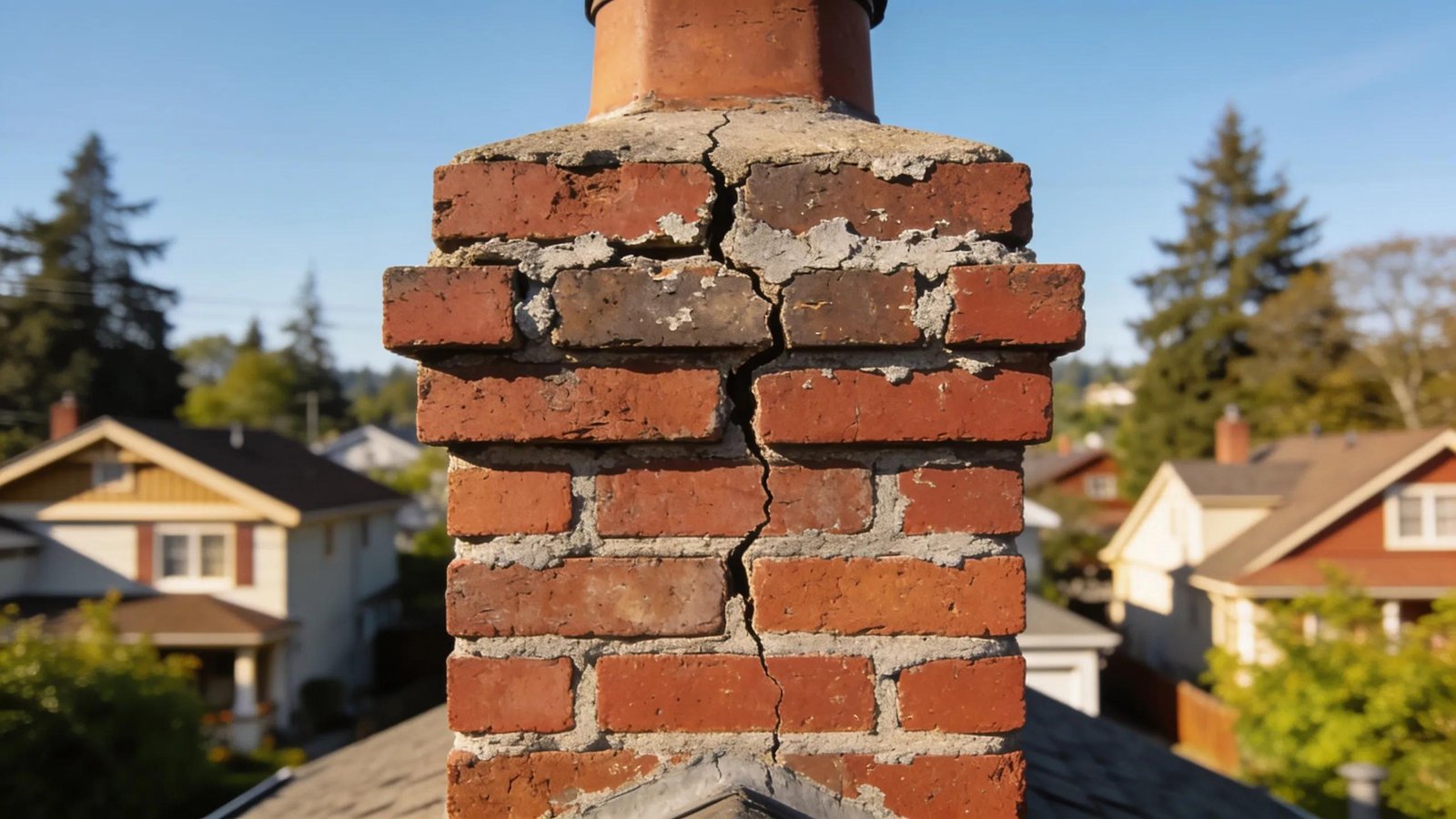
Identifying masonry damage is essential for maintaining the integrity and safety of your chimney. Common signs of chimney masonry damage that homeowners should watch for include:
- Crumbling Mortar or Bricks: Over time, bricks may deteriorate, leading to weakened structural support.
- White Staining (Efflorescence): The buildup of soluble salts on the surface indicates moisture problems within the chimney.
- Visible Cracks: Small cracks can lead to larger fissures if ignored, signaling urgent repairs.
- Falling Debris: Broken bricks or mortar crumbling away is a clear sign of significant masonry damage.
- Water Leaks or Dampness: Water penetrating the chimney can lead to further degradation and unsafe conditions.
- Draft Problems: Inefficient airflow can signify blockages or structural issues within the flue.
- Animal Nests: Wildlife nesting can block flue airflow and create hazardous conditions.
It’s vital to address these issues promptly to prevent extensive damage.
Recognizing these signs early can help you avoid costly repairs and ensure your “chimney remains safe” and functional.
How to Identify Cracks and Mortar Erosion on Your Chimney
Cracks and mortar erosion are common problems that can compromise the function and safety of your chimney. To identify these issues effectively, perform a visual inspection. Utilize a flashlight to check for any visible cracks on the masonry and look for signs of mortar erosion, which can indicate moisture problems within the structure. If cracks are present, assess their width; cracks wider than 1/8 inch may require immediate attention.
The key benefits of identifying these problems early include avoiding costly repairs and ensuring that your chimney continues to function safely. Regular maintenance and inspection can significantly prolong the life of your chimney.
Why Spalling Bricks Signal Urgent Repair Needs
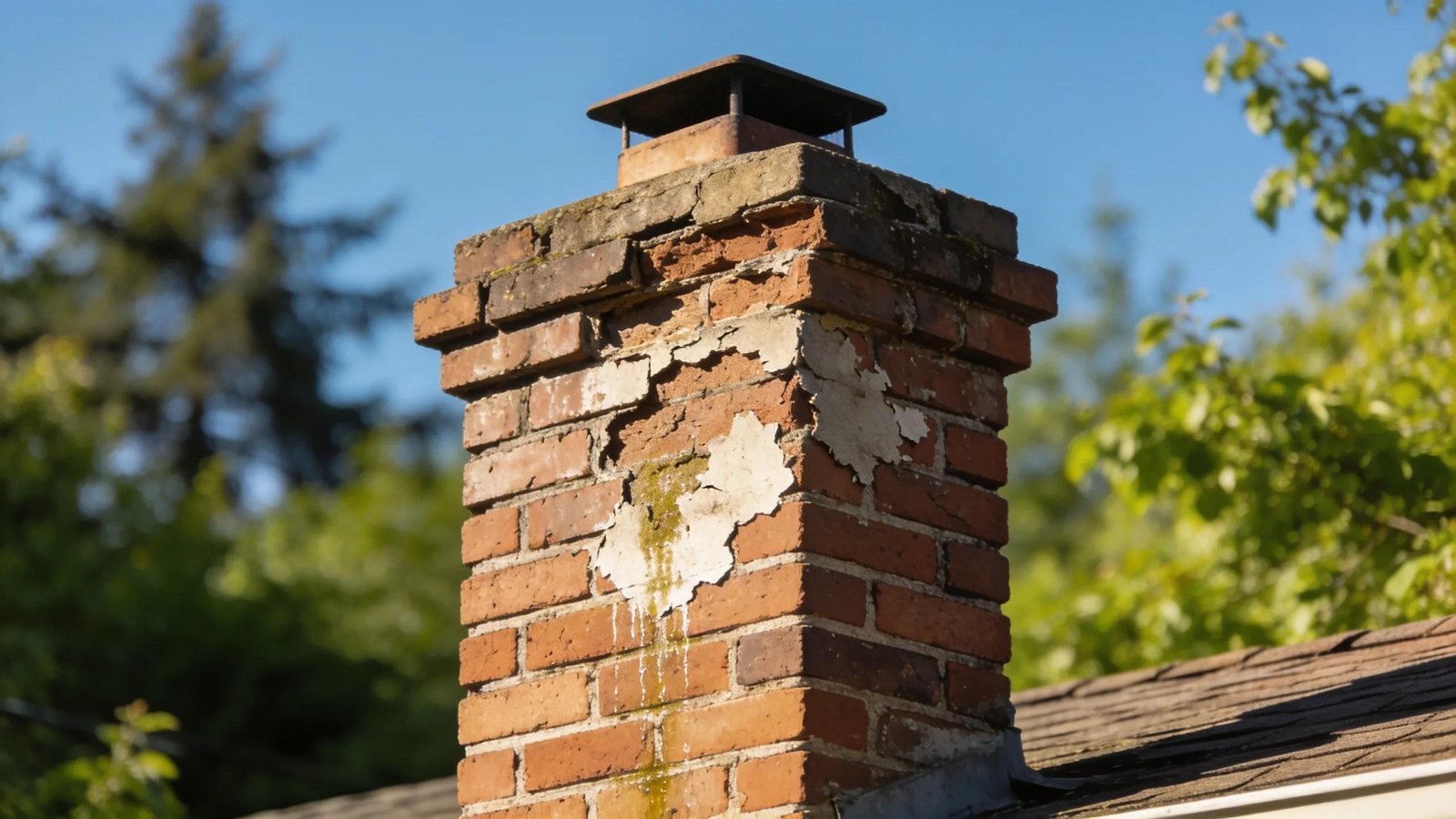
Spalling bricks occur when moisture penetrates the brick and causes the outer layers to crack and flake off. This deterioration signals urgent repair needs, as spalling can lead to structural weakness over time. Ignoring spalling can result in extensive damage that necessitates complete chimney reconstruction, a costly endeavor that could have been avoided with timely intervention.
Addressing spalling bricks promptly can help maintain your chimney’s structural integrity and lifespan, making regular inspection a vital step in home maintenance practices.
When Should You Consider Flue Relining for Safety and Efficiency?
Flue relining is an essential process when your current lining has been damaged or degraded. Homeowners should consider this option if they notice significant smoke issues, persistent odor, or if the flue liner presents visible cracks. Additionally, chronic smoke backdraft problems indicate that the flue may not be functioning correctly, leading to inefficient combustion and potential safety hazards.
By addressing these issues promptly and considering “flue relining”, you can improve your chimney’s performance and reduce the risk of dangerous situations arising in your home.
What Are Common Indicators That Flue Lining Needs Replacement?
Several indicators can signal the need for flue lining replacement. Key signs include:
- Visible Cracks in Flue Tiles: These cracks can lead to harmful gases entering the home.
- Creosote Buildup: High levels of creosote can block the chimney, increasing fire risk.
- Smoke Backdrafts: Difficulty venting smoke can indicate liner failure.
Addressing these signs early on is crucial for maintaining safety and efficiency in your home.
How to Perform a Professional Chimney Inspection in Portland, OR?
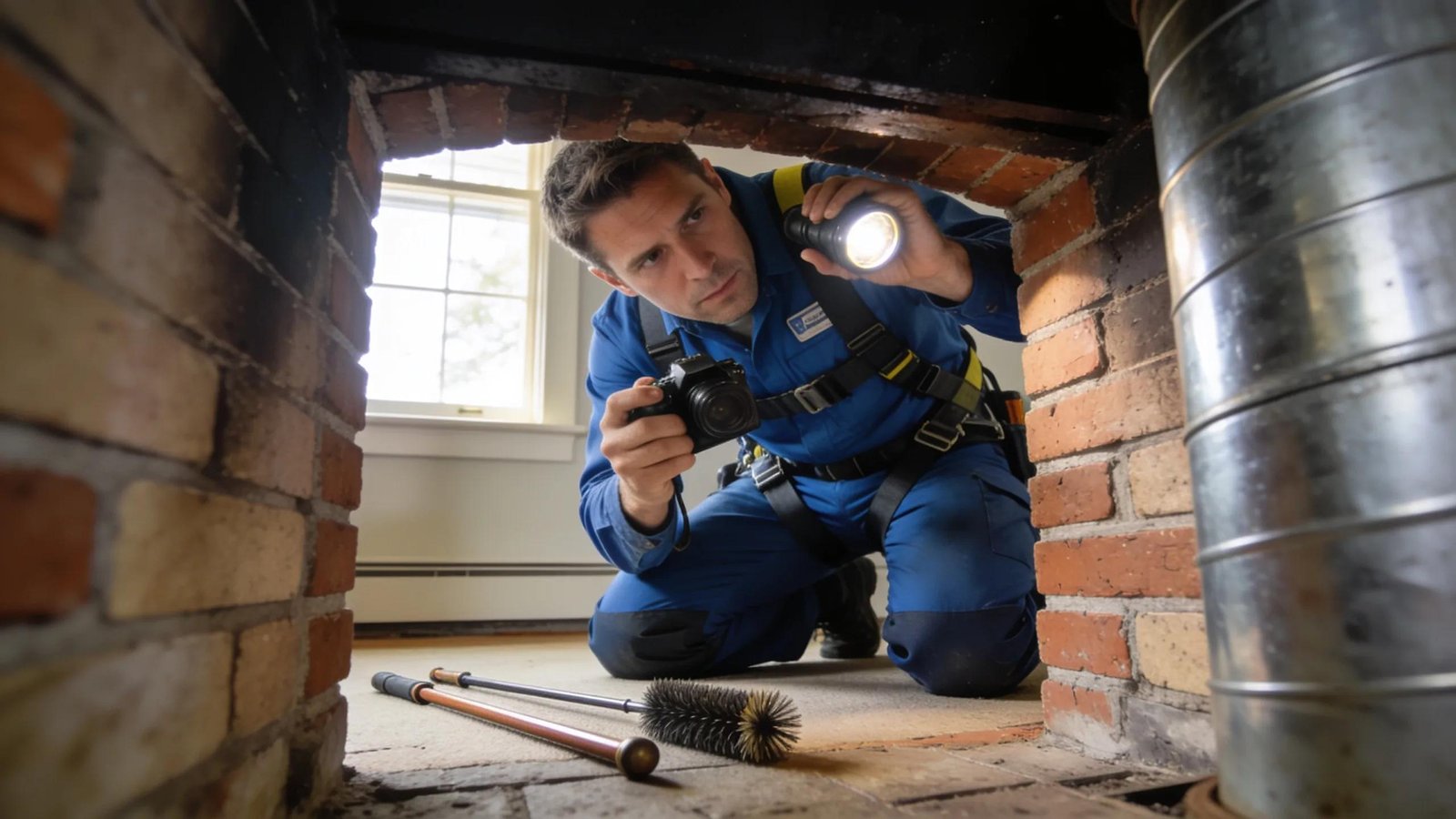
A professional chimney inspection is fundamental to identify issues that may not be visible to the untrained eye. It typically involves several steps:
- Inspection Preparation: Ensure accessibility to the chimney and area around.
- Tools Required: Commonly used tools include flashlights, mirrors, and cameras for internal inspection.
- Importance of Thorough Inspection: A comprehensive assessment helps identify potential risks, ensuring reliable operation.
Employing professionals in the Portland area guarantees that your chimney will be adequately inspected, with findings reported to you for necessary actions.
What Steps Are Included in a Comprehensive Masonry and Flue Diagnostic?
A thorough masonry and flue diagnostic includes several critical steps:
- Visual Examination: Conduct a complete visual inspection of the exterior and interior of the chimney.
- Camera Inspection Details: Use specialized cameras to assess internal flue conditions that are not visible to the naked eye.
- Reporting Findings: Provide the homeowner with a detailed report highlighting any issues found along with recommendations for repairs.
This multi-step approach ensures that all potential issues are identified and can be addressed timely to maintain the safety and efficiency of your chimney.
Why Booking a Licensed Portland Chimney Inspection Ensures Reliable Results
Hiring a licensed chimney inspection service is vital for safety. These professionals are trained to identify issues that homeowners may overlook. They also provide:
- Professional Qualifications: Ensuring that your chimney is examined by knowledgeable service providers.
- First-hand Benefits: Many experienced inspectors understand common local issues and can offer tailored solutions.
- Quality Assurance in Evaluations: Trustworthy assessments reduce the likelihood of overlooked issues and ensure your home remains safe.
Investing in a licensed inspection is an essential step for proper chimney management.
What Are the Typical Costs and Local Regulations for Chimney Repair and Flue Relining?
Understanding the costs associated with chimney repair and flue relining is vital for homeowners. Typical inspection costs for a Level 1 Inspection range from $100 to $200, while a Level 2 Inspection can cost between $200 and $400. Regular chimney cleaning is advised, with costs ranging from $150 to $300.
Local regulations also play a crucial role in chimney repairs. Homeowners must ensure their repairs and alterations comply with these regulations, which may require permits and inspections at various stages of the repair process.
How Does Repair Type Influence Your Portland Cost Estimates?
The type of repair significantly influences cost estimates. Minor repairs like tuckpointing or minor liner replacements may be less expensive but will likely require just a few hundred dollars depending on material and accessibility. On the other hand, significant repairs, including full chimney rebuilds or comprehensive flue relining, can cost thousands.
It’s essential to consult local professionals to get accurate estimates based on the type of necessary repairs, as this helps homeowners budget appropriately.
Which Portland Building Codes and Permits Affect Chimney Repairs?
When considering chimney repairs in Portland, homeowners must be aware of local building codes and regulations. These codes ensure safety and uniformity within the community. Common aspects include:
- Relevant Local Regulations: Codes specifying materials, construction methods, and maintenance practices.
- Impact on Repair Processes: Compliance affects how repairs are executed and whether permits are required.
- Consequences of Non-compliance: Ignoring codes may lead to fines or mandated dismantling of unapproved work.
Understanding these regulations is necessary for ensuring compliance and safety in chimney repairs.
Need a hand from a local pro?
Forest Fresh serves Portland & SW Washington — free estimates, licensed & insured.
Get a Free Quote